Choosing the Right Niagara Falls Night Visit
A night visit to the falls feels different from a daytime outing. The water is still the main event, but the dark changes what you notice: the glow on the mist, the sound carrying across the walkways, and the way the surrounding viewpoints empty out or fill up. Choosing the right niagara falls night tour starts with deciding what kind of evening you want, then matching the details to that plan.
Start with the view you want
Before comparing options, picture where you want to stand when the falls are lit. Some people want a close view from below, where the spray rises and the roar fills the air. Others prefer a wider angle from above, with the river, the bridges and the skyline in the same frame. A pedestrian promenade can be a good middle ground because it gives you room to move between viewpoints instead of staying in one fixed spot.
Think about pace as well. A short evening outing suits anyone who wants a clear plan and a simple route. A longer one works better if you like stopping often, changing angles and staying after the crowds thin. The right choice is rarely the one with the most features. It is the one that gives you enough time in the places that matter to you.
Watch for vague descriptions that promise a great view without saying where it is. Words such as scenic or panoramic sound pleasant, but they do not tell you whether you will be below the falls, above them or across the river. A clear route description is more useful than polished wording.
Check the timing before anything else
Night tours depend on hours, and hours shift with the season. The first thing to check is the lighting schedule, because illumination is the reason many people choose an evening visit. If the lights run only during set periods, your route should place you at a strong viewpoint during those periods rather than rushing you past them.

Fireworks are another detail worth checking, but they should not be treated as guaranteed on every night. Schedules can change because of weather, local rules or operating decisions. If fireworks are a major reason for the trip, look for wording that confirms them for your chosen date, not just a general mention on a page.
Seasonal hours matter too. In colder months, paths and viewing areas may close earlier, and the evening can feel much longer if you are standing still. In warmer months, popular viewpoints may be busy, so extra time helps. A tour that starts too late can leave you with a good light show but little chance to settle in and enjoy the approach.
When comparing times, read the start point carefully. A stated start time may not be the moment you reach the main viewpoint. Allow for walking, boarding, security style checks, group assembly and slow movement on crowded paths. A plan that looks tight on paper often feels tighter in person.
Match the route to your group
Who is coming with you should shape the decision as much as the itinerary. A group with young children may need shorter walking stretches, clear meeting points and easy access to restrooms. Older travellers may prefer fewer stairs, smoother surfaces and more places to pause. If anyone in the group has limited mobility, check the route for step free access and ask how long people usually stand in one place.
Photography fans should look for time at more than one viewpoint. A single spot can produce a fine picture, but changing distance gives a better sense of scale. Ask whether there is time to set up a tripod, and whether tripods are allowed in the areas included. Photography tips are useful, but only if the route gives you room to use them without holding everyone else up.
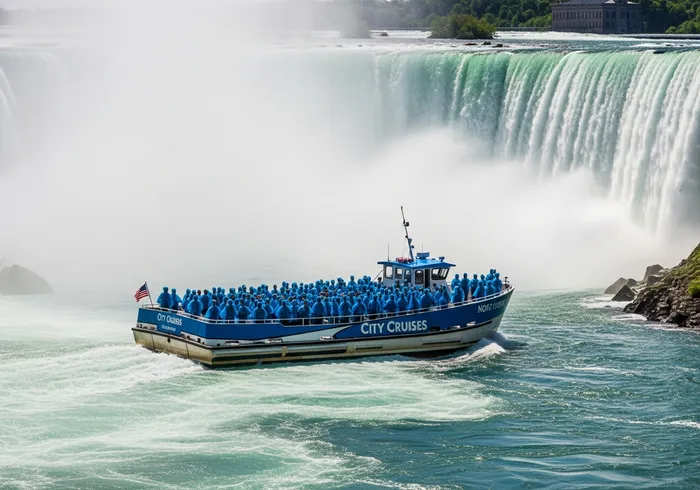
A boat cruise can add a memorable angle, though it changes the shape of the evening. Boats may not run in every season, and some people prefer to stay on land once darkness settles. If the idea of spray on clothing or cameras puts you off, choose a route centred on viewing platforms and walkways instead.
Where a name like niagarafallstour.co appears while you research, keep the focus on the practical details attached to the choice: where the route goes, how long it lasts and what the evening actually includes. A brand name alone does not tell you whether a tour suits your group.

Read the route in plain language
Good tour descriptions answer basic questions without much effort. They say where the group meets, what is included, how much free time exists and what happens if a viewpoint is busy. They also explain whether the evening ends at the same place it began. That last point matters if you are relying on a late ride, walking back to a hotel or meeting another part of your group.
Be cautious with packed itineraries. A night visit works best when there is space to stand quietly and watch the water change under the lights. If every minute is filled with a transfer, a stop or a commentary point, the falls can become background scenery. Look for a balance between structure and open time.
Also check how the route handles poor weather. Mist is part of the experience, but heavy rain, high wind or icy surfaces can affect visibility and comfort. A sensible plan keeps the main viewpoints but allows for slower movement. If a route depends entirely on one outdoor platform, it may feel harsh when conditions turn.
Clothing is a small decision with a large effect. Even in warm weather, spray and night air can make you cool. A light layer, secure footwear and a protective cover for a camera are more useful than a complicated outfit. Avoid anything that needs constant adjustment while you are moving between viewpoints.
Compare value, not just features
Price is part of the decision, but it should be read alongside what the evening delivers. A lower cost may mean a shorter route, fewer viewpoints or less time under the lights. A higher cost may add comfort or convenience, yet it is only better if those additions match what you want. Compare the schedule, the meeting point, the length of the outing and the amount of time at each stop.
Cancellation terms and date rules deserve a careful read, especially for evening plans tied to seasonal hours or fireworks. Check what happens if the operator changes the schedule or if you need to move your date. Clear terms are a sign of a straightforward booking process, while confusing terms can turn a small change into a frustrating one.
Reviews can help, but read them for patterns rather than praise alone. Repeated comments about long waits, unclear meeting points or rushed stops are more useful than a stream of short compliments. Comments about lighting, crowd levels and the quality of the viewpoints can also reveal whether the route delivers the experience described.
Make the final choice with a simple test
When the options are close, test each one against three questions. Does it place you at a good viewpoint during the main lighting period? Does it fit the walking, timing and comfort needs of your group? Does it end somewhere convenient for the rest of your evening? If an option fails one of these, the extra features may not rescue it.
A strong niagara falls night tour should feel easy before it begins. You should know where to go, what you will see and how much room you will have to enjoy it. The best choice leaves enough uncertainty for the falls to feel dramatic, but not so much that the evening depends on guesswork.
Once the choice is made, keep your plan light. Arrive with time to spare, keep your camera ready before the best viewpoints, and resist the urge to tick off every angle. The evening is usually remembered for a few clear moments: the water under the lights, the sound from the edge and the brief pause before moving on. Pick the route that gives those moments space.